Gelatin vs Bone Broth: Which Is the Better Collagen Source?
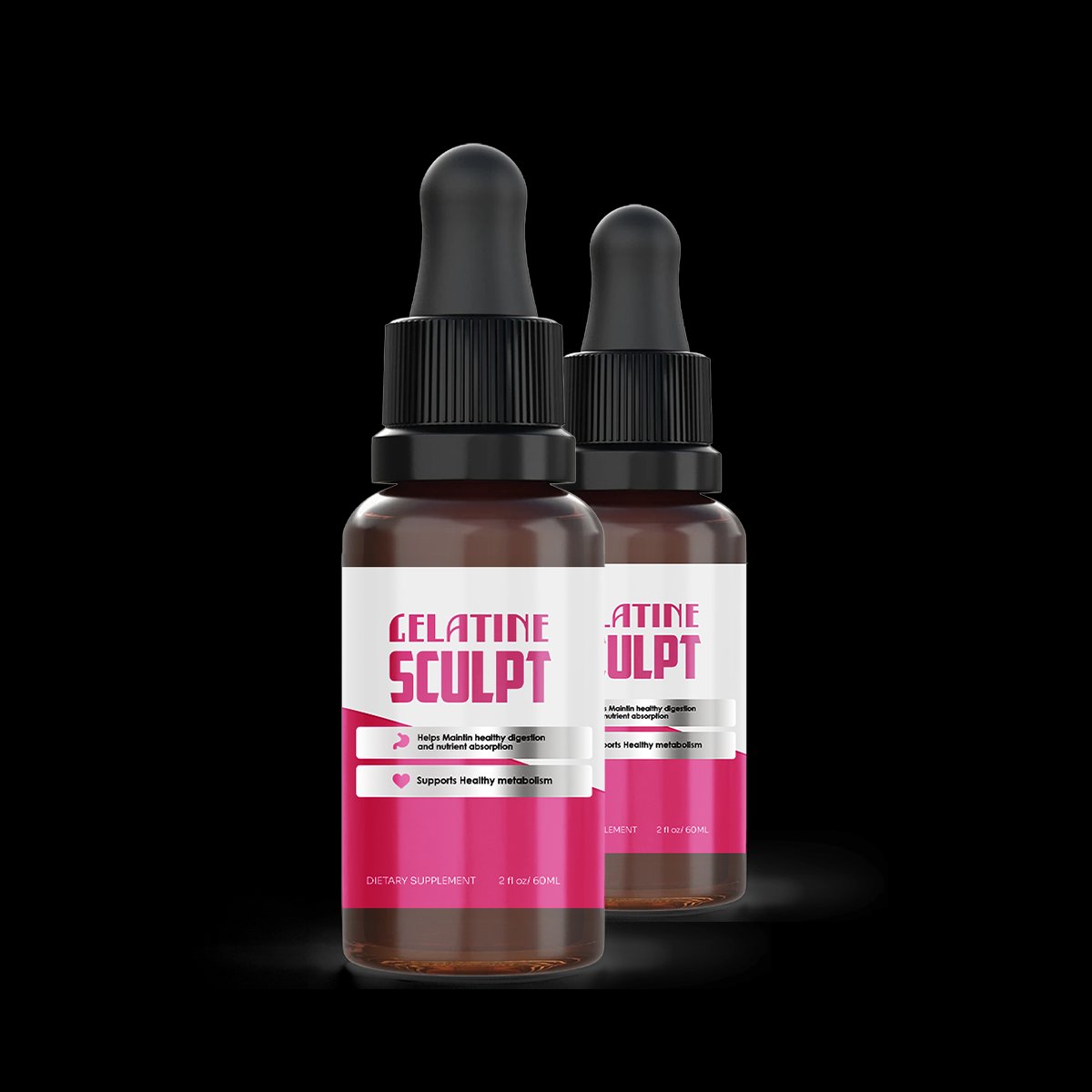
Both deliver collagen-derived amino acids. The question is concentration, consistency, and verifiability. Dose Theory compares the two formats and applies the findings to its independent assessment of Gelatine Sculpt.
The fundamental difference — concentration and consistency
Bone broth and gelatin both derive from simmering connective tissue, bones, and cartilage. The key difference is concentration. A standard cup of bone broth contains approximately 2–5g of collagen protein in a dilute liquid. A serving of gelatin concentrate provides a denser, more consistent amino acid profile per gram consumed — and, critically, a standardised and independently verified composition.
Bone broth's collagen content varies significantly based on preparation time, bone type, cooking temperature, and acid presence. There is no standard. A 24-hour slow-cooked broth from knuckle bones produces a very different amino acid profile from a 4-hour preparation using standard soup bones. Gelatin concentrate, when third-party tested, has a verified composition.
Gelatine Sculpt — verified format
Traditional food source
Collagen amino acid comparison — per 10g serving equivalent
| Amino acid | Gelatin concentrate (10g) | Bone broth (1 cup, ~5g protein) |
|---|---|---|
| Glycine | ~2.1–2.7g | ~0.5–1.0g (variable) |
| Proline | ~1.2–1.6g | ~0.3–0.7g (variable) |
| Hydroxyproline | ~1.0–1.3g | ~0.2–0.5g (variable) |
| Consistency | Independently verified | Not standardised |
The amino acid values above are based on published compositional data for gelatin protein and estimates from peer-reviewed bone broth analyses. Individual bone broth batches vary widely. Dose Theory does not assess efficacy claims. Gelatine Sculpt is not intended to diagnose, treat, cure, or prevent any disease. Individual results vary.
"Bone broth is a traditional food with genuine nutritional merit. The practical argument for a gelatin concentrate is verification — you know what you're getting, in what amount, confirmed by an independent laboratory."
— Dose Theory editorial note. Not a manufacturer claim.